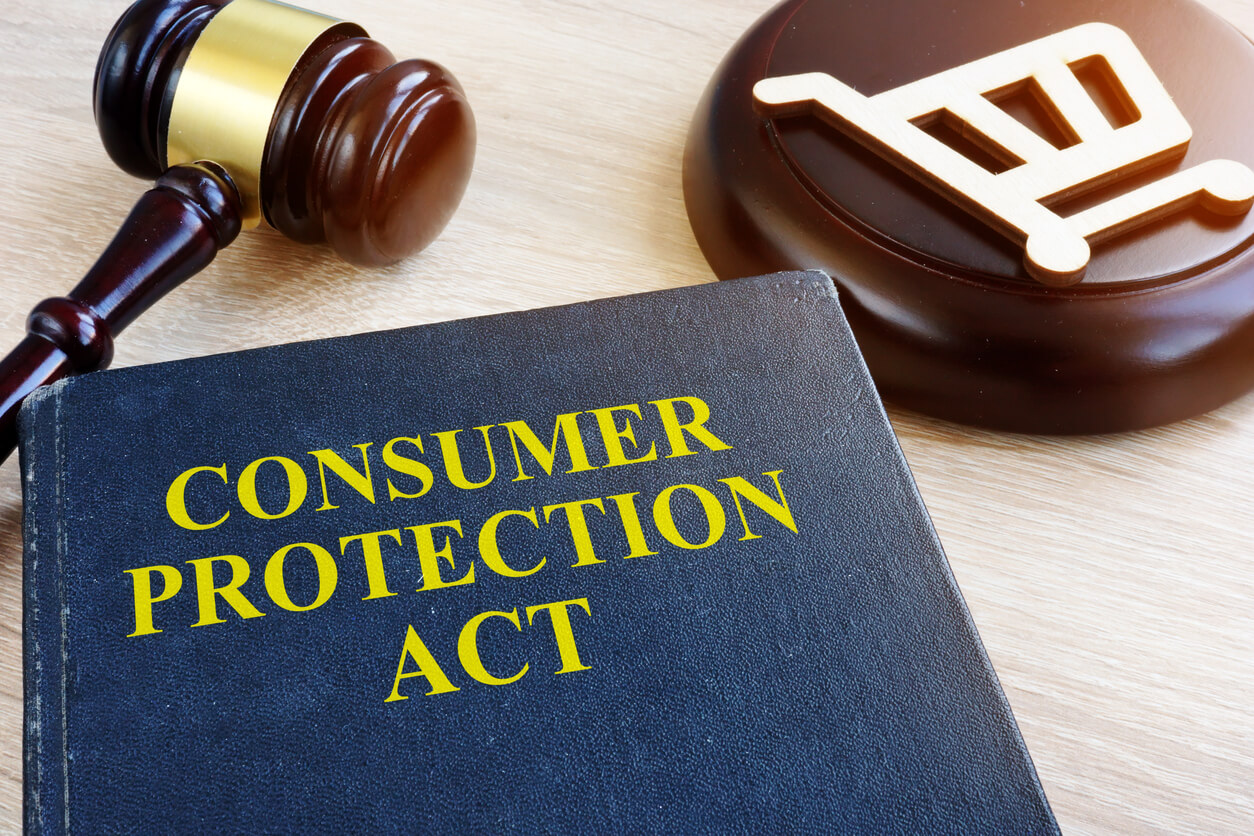
Consumer law, also widely known as consumer protection law, is the body of legal rules and regulations that protects individuals buying goods and services from businesses. It’s a critical area of law that ensures fairness, transparency, and accountability in the marketplace and gives consumers the tools to assert their rights when something goes wrong.
At its core, consumer law balances the power between consumers and companies, fostering trust and encouraging competition in the economy. In this article, we’ll unpack what consumer law is, why it matters, the kinds of protections it offers, and how it applies in different jurisdictions around the world.
What Is Consumer Law?
Consumer law refers to a set of statutes, regulations, and legal principles designed to safeguard consumers from unfair or deceptive business practices and to ensure safe, high‑quality products and services. This area of law applies when individuals purchase goods or services for personal use (as opposed to commercial use) and governs everything from advertising and pricing to warranties and dispute resolution.
Consumer law covers diverse topics including:
- False or misleading advertisements
- Defective products
- Unfair contracts
- Disclosure of accurate pricing and terms
- Product safety and liability
In essence, consumer protection laws require that businesses treat consumers fairly, provide accurate information, and offer mechanisms for redress when problems arise.
Why Consumer Law Matters
Without consumer protection laws, the marketplace risks becoming a free‑for‑all where businesses could exploit information imbalances, misrepresent products, or provide substandard services with little accountability.
Consumer law serves several key purposes:
- Protection from Unfair Practices: Ensures that companies do not engage in deceptive or manipulative conduct.
- Promotion of Transparency: Requires clear disclosure of pricing, product terms, and contract conditions.
- Redress for Harm or Loss: Provides mechanisms for consumers to seek compensation or remedies.
- Safety and Compliance: Mandates products and services meet minimum safety and quality standards.
These protections help promote consumer confidence, reduce fraud, and make markets more efficient and equitable.
Core Principles of Consumer Law
Consumer law frameworks differ by country or region, but most share common themes and protections. Below are some fundamental concepts present in many jurisdictions:
Right to Accurate Information
Consumers must receive truthful, complete, and clear details regarding products or services. This means accurate labeling, honest advertising, and full disclosure of pricing and contract terms. This right makes sure consumers can make informed purchasing decisions.
Protection from Misleading Practices
Laws prohibit deceptive marketing and unfair trade practices. A business marketing products with false claims (e.g., promises that goods can cure diseases or perform beyond their capabilities) may be violating consumer law protections.
Product Safety and Quality
Products sold to consumers must meet safety and quality standards. If a product causes harm, a consumer may be entitled to a replacement, refund, or compensation under applicable product liability laws.
Contractual Fairness
Contracts between consumers and companies must be fair and reasonable. In some jurisdictions, clauses that unfairly limit a consumer’s rights (e.g., hidden fees, no‑refund policies) may be ruled unenforceable.
Right to Redress
Consumers should be able to seek remedy when their rights are violated. Many consumer law systems provide courts, tribunals, or agencies dedicated to resolving disputes and awarding compensation.
Major Consumer Law Examples
Across the globe, numerous laws embody these principles. Here are some examples of established consumer protection statutes:
Truth in Lending Act (United States)
The Truth in Lending Act (TILA) requires lenders to disclose key terms, such as the Annual Percentage Rate (APR), loan duration, and total cost. It promotes transparency in credit agreements and gives borrowers rights such as the ability to rescind certain contracts within a short timeframe.
Consumer Guarantees Act (New Zealand)
The Consumer Guarantees Act 1993 provides guarantees that goods sold are of acceptable quality, fit for purpose, and match their description. When products fail to meet these standards, consumers have rights to refunds, repairs, or replacements.
Anticybersquatting Consumer Protection Act (United States)
The Anticybersquatting Consumer Protection Act helps prevent individuals from registering domain names that are confusingly similar to trademarks with the intent to profit from brand owners. Although this law focuses on intellectual property, it plays an important role in protecting consumers from fraud and deception online.
Unfair Contract Terms Act (United Kingdom)
The Unfair Contract Terms Act 1977 restricts businesses from enforcing contract terms that unreasonably disadvantage consumers, especially in situations where liability is unfairly limited.
These laws are part of broader legal frameworks designed to maintain fairness in exchanges between consumers and businesses.
How Consumer Law Works in Practice
Consumer law applies every time a consumer interacts with a business. Here are a few scenarios that illustrate how protections work:
- If a consumer buys a washing machine that fails within weeks of purchase, consumer law may entitle them to a repair, replacement, or refund.
- A credit card company failing to disclose interest rate changes may be violating disclosure laws.
- Online marketplaces must ensure product listings are accurate and not misleading.
In Pakistan, for example, multiple provincial statutes such as the Punjab Consumer Protection Act (2005) and the Sindh Consumer Protection Act (2014) provide rights like protection against hazardous goods, fair pricing, and mechanisms to file complaints in specialized consumer courts.
Consumer Rights and Enforcement Challenges
While consumer laws theoretically offer robust protections, enforcement can be inconsistent depending on the jurisdiction. Studies have highlighted enforcement barriers in some countries where consumers face difficulties asserting their rights, particularly in online transactions or emerging digital marketplaces.
Consumer rights advocacy organizations and government agencies play key roles in educating the public, monitoring compliance, and taking action against businesses that breach consumer protection laws.
Digital Age Challenges and Contemporary Issues
The rapid growth of e‑commerce, digital platforms, and data‑driven pricing has created new challenges for consumer law. Issues such as online fraud, algorithmic pricing disparities, and data privacy violations require both traditional consumer protections and modern regulatory responses.
Consumers must stay informed about evolving laws, such as privacy safeguards in digital contracts or protections against unfair online practices. The law continues to adapt to ensure consumer protections remain effective in a more complex and technology‑centric marketplace.
Conclusion
Consumer law is a vital part of any market economy, dedicated to protecting individuals in commercial transactions and ensuring fairness, transparency, and accountability. Whether you are buying everyday goods, signing a service contract, or entering into a credit agreement, consumer protection laws work to ensure your rights are respected and enforced.
Understanding your consumer rights empowers you to make informed choices, challenge unfair practices, and seek redress when your rights are violated. As markets evolve with technology and commerce grows ever more complex, consumer law will continue to play a central role in sustaining fair, safe, and trustworthy business environments.
Leave a Reply